AI Product Management is rapidly reshaping how digital products are planned, designed, and built. Tools powered by generative AI are now capable of transforming meeting transcripts into requirement documents, converting prompts into UI designs, and even generating engineering tasks.
Yet most product management courses still focus on traditional skills like stakeholder communication, backlog grooming, and roadmap planning.
While those skills remain important, modern product managers are increasingly expected to work in a deeply AI-augmented workflow.
Today’s product managers must know how to:
- Convert meeting transcripts into product requirements
- Use AI to generate use cases and documentation
- Interpret AI-generated UI designs
- Structure prompts for accurate AI outputs
- Validate and refine AI-generated insights
In other words, the modern PM is evolving into an AI-native product manager.
However, one major problem persists: Most organizations are using AI tools without teaching product managers how to use them effectively.
This article explores the AI skills product managers need but rarely learn, along with practical workflows that are emerging across AI-driven product teams.
Why AI Product Management Is Entering an AI-Augmented Era?
Traditionally, product management involved a sequence of manual tasks:
- Conduct stakeholder meetings
- Write Business Requirement Documents (BRDs)
- Convert requirements into user stories
- Work with designers to build UI mockups
- Coordinate with engineering teams for development
This process was often slow, documentation-heavy, and dependent on manual interpretation of conversations.
With generative AI tools, the workflow is evolving:
AI-Augmented Product Development Workflow
- Meeting transcripts are analyzed by AI
- AI extracts insights and decisions
- AI generates requirement summaries
- AI assists in creating UI prototypes
- AI helps generate use cases and acceptance criteria
- Development teams convert structured documentation into engineering tasks
Forward-thinking organizations are already building platforms to automate these steps.
For example, companies like 47Billion are working on AI-driven product engineering platforms that integrate requirement generation, documentation automation, and engineering workflows to accelerate digital product development.
Organizations looking to accelerate software delivery can leverage AI Product Engineering Services to automate documentation, streamline engineering workflows, and build AI-powered digital products faster.
But the technology alone is not enough.
Product managers must learn how to collaborate effectively with AI systems.
Skill #1: Prompt Engineering for AI Product Managers
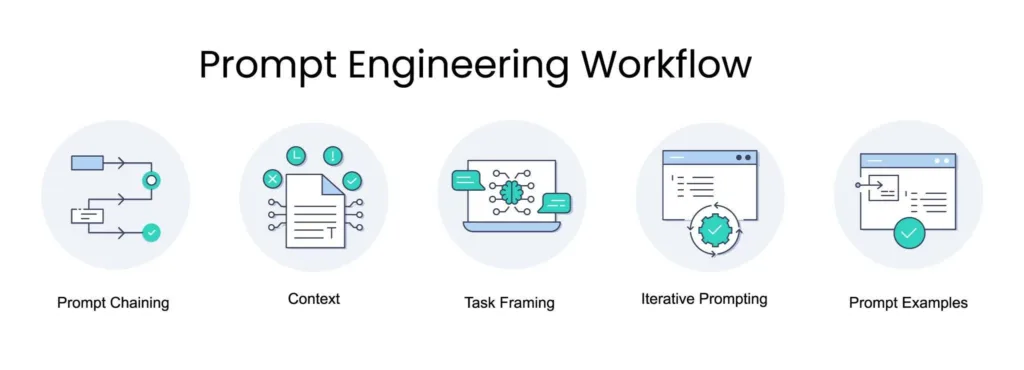
Prompt engineering is one of the most important AI skills product managers need today.
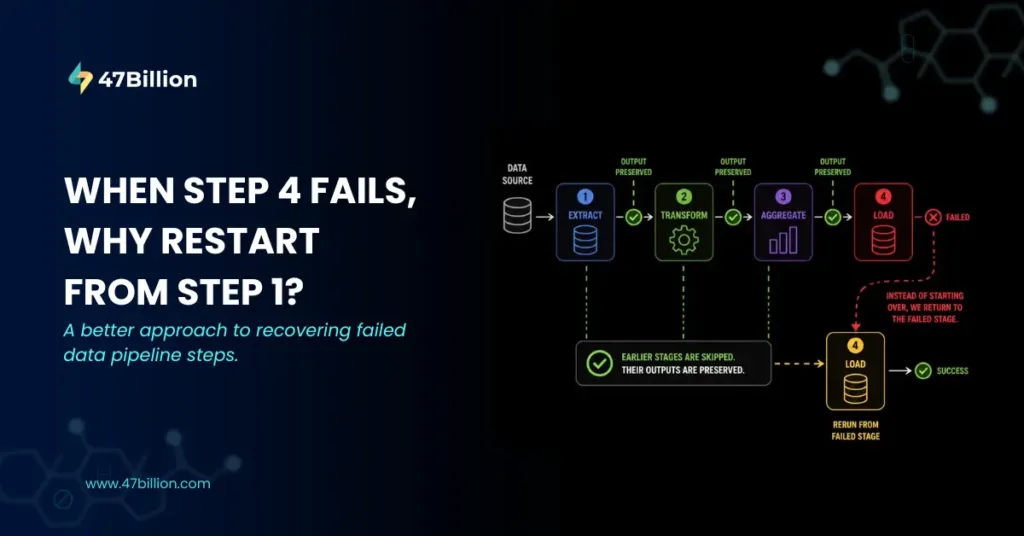
Prompt engineering has become one of the foundational capabilities in AI Product Management, enabling product managers to generate more accurate documentation, user stories, and engineering-ready outputs.
A prompt is the instruction given to a generative AI model. The quality of the output depends heavily on how the prompt is structured.
For example, consider a product manager trying to generate use cases from meeting transcripts.
A simple prompt might look like this:
“Create use cases from this transcript.”
However, this often leads to problems such as:
- irrelevant functionality
- hallucinated features
- overly verbose documentation
- incorrect assumptions about business logic
A better prompt strategy provides structured instructions and clear boundaries.
Example structured prompt:
Use the provided project summary as the single source of truth.
Generate use cases using this structure:
– Actor
– Pre-condition
– Main Flow
– Alternate Flow
– Post-condition
– Acceptance Criteria
Do not introduce new functionality outside the summary.
This structured approach significantly improves the accuracy of AI outputs.
Prompt engineering is becoming a core skill for AI product managers, especially when working with tools like ChatGPT, Claude, or enterprise AI copilots.
As AI becomes increasingly integrated into software engineering, understanding how AI supports development teams is equally important. Explore our guide on AI as Your Engineering Partner.
Skill #2: Context Management in AI Product Management
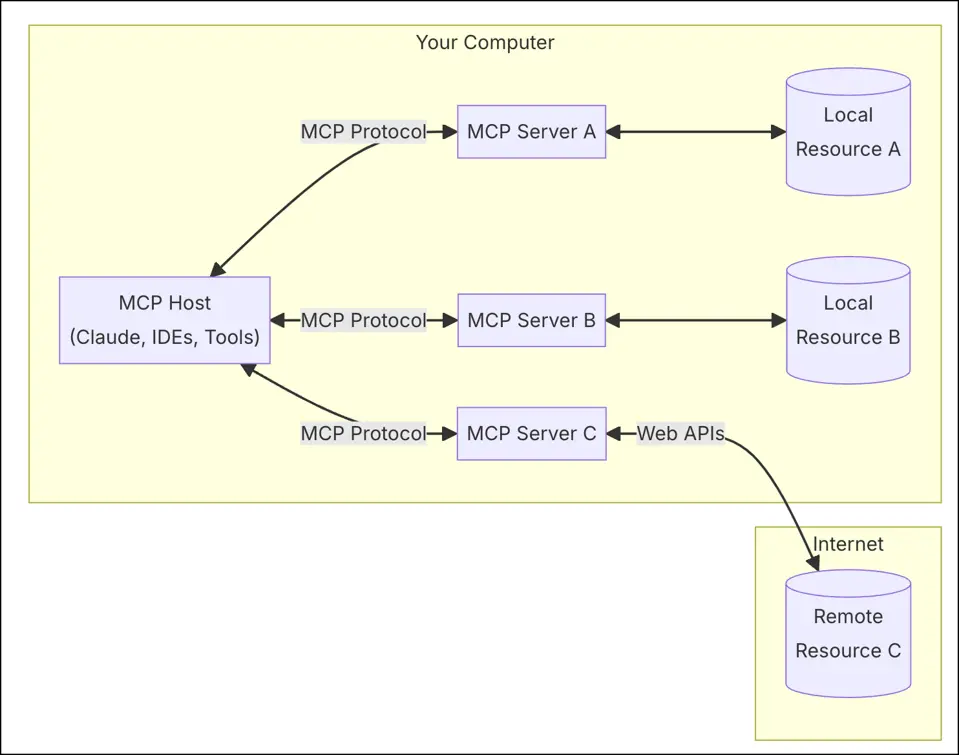
One of the most overlooked AI concepts is context management.
Effective context management is becoming an essential skill for every AI Product Manager working with large language models and enterprise AI platforms.
Large language models have a context window, which limits how much information they can process at once.
When too much information is provided, such as multiple transcripts, design notes, and emails—the AI may lose focus and produce inaccurate results.
This is why experienced AI-driven teams use a strategy called context reduction.
Instead of feeding everything into a single AI session, they break information into smaller chunks.
Example workflow:
Step 1: Collect raw meeting transcripts
Step 2: Generate a summarized project context
Step 3: Remove irrelevant discussions
Step 4: Use the filtered context to generate documentation
This process ensures that the AI works with clean, structured information, reducing hallucinations and improving accuracy.
Another effective strategy is module-based AI processing.
Instead of generating documentation for the entire product, teams create separate contexts for modules such as:
- Admin configuration
- Data management
- Approval workflows
- User access control
Each module is processed independently, making the AI output more precise.
Skill #3: AI-Assisted Product Design Interpretation
Design tools such as Figma now incorporate generative AI capabilities that can create UI mockups from prompts or transcripts.
While this dramatically accelerates the design process, it introduces a new challenge.
AI-generated designs often contain unnecessary UI elements.
For example, designs generated from transcripts may include:
- redundant input fields
- unnecessary configuration screens
- confusing navigation elements
This happens because AI attempts to interpret every piece of conversation as a potential feature.
Product managers must therefore develop the ability to critically analyze AI-generated designs.
Instead of asking:
“What did the AI design?”
PMs must ask:
- What business requirement does this UI element support?
- Is this functionality actually required?
- Does this align with the product workflow?
In the AI era, product managers increasingly act as design validators rather than design creators.
Skill #4: AI Requirement Engineering
One of the most powerful applications of AI in product management is automated requirement engineering.
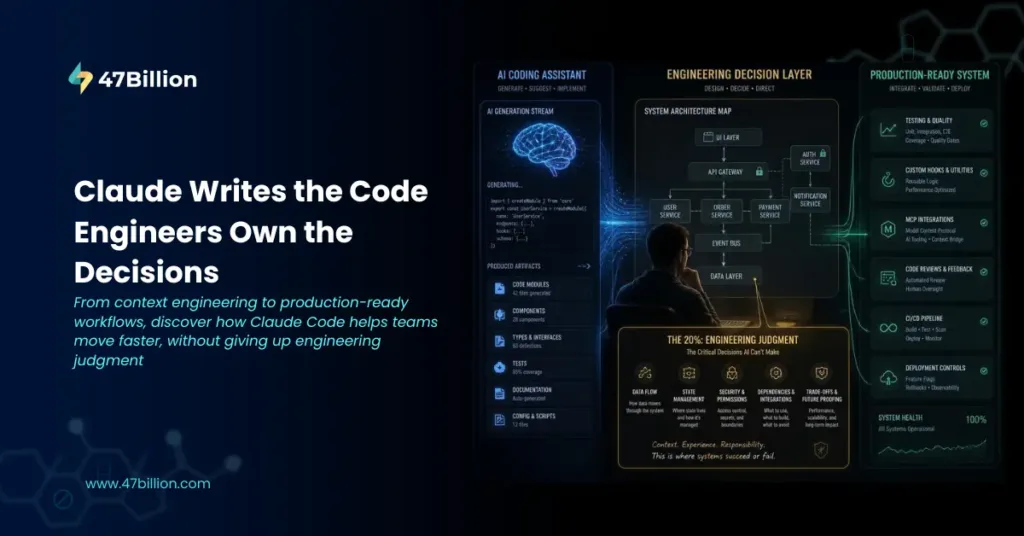
AI Requirement Engineering enables product teams to transform unstructured stakeholder conversations into structured product documentation more efficiently.
AI can transform unstructured information such as meeting transcripts into structured artifacts like:
- Business Requirement Documents (BRDs)
- Functional Requirement Documents (FRDs)
- Use cases
- User stories
- Acceptance criteria
However, generating everything at once often produces overwhelming documentation.
A better strategy is incremental generation.
Example workflow:
- Generate use case titles
- Review and filter them
- Expand each use case individually
- Add acceptance criteria
- Validate with stakeholders
This approach reduces noise and ensures that the generated documentation aligns with the actual product scope.
AI-powered documentation platforms are beginning to automate this entire process.
This evolution reflects a broader shift toward Enterprise AI Product Development, where AI enhances every stage of the software development lifecycle.
Organizations like 47Billion are building tools that integrate AI-based requirement generation with engineering workflows, enabling faster transitions from concept to development.
Skill #5: Managing AI Hallucinations in Product Management
AI hallucination refers to situations where a model generates information that sounds correct but is actually false or unsupported.
In product documentation, hallucinations can introduce serious issues such as:
- features never discussed with stakeholders
- incorrect workflow logic
- configuration steps that do not exist
For example, AI may suggest editing configuration rules using JSON structures, even when the product UI never exposes such functionality.
This is why human review remains essential.
Experienced product managers validate AI outputs by checking:
- alignment with client conversations
- alignment with business goals
- alignment with system architecture
AI should be treated as a co-creator, not a decision-maker.
Skill #6: AI-Powered Product Lifecycle Automation
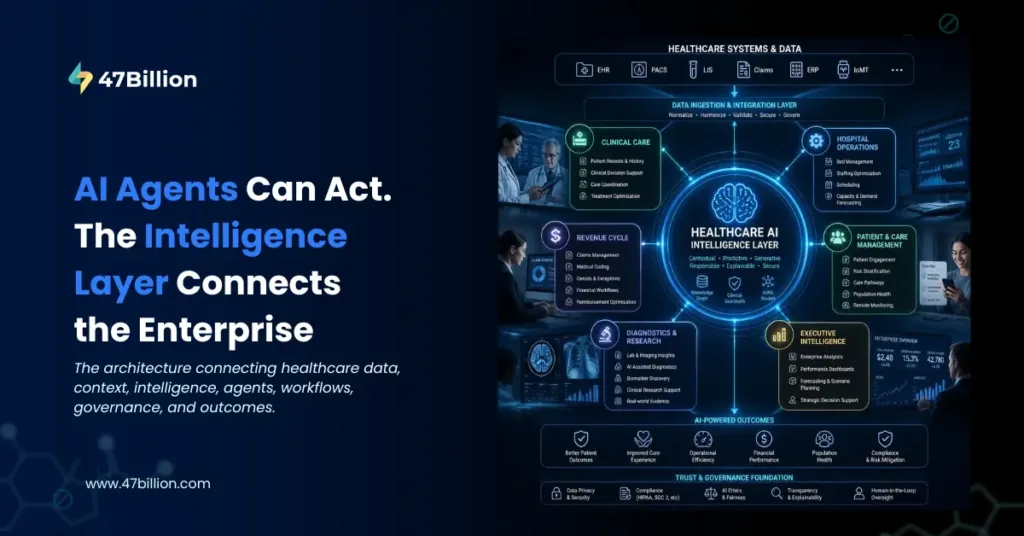
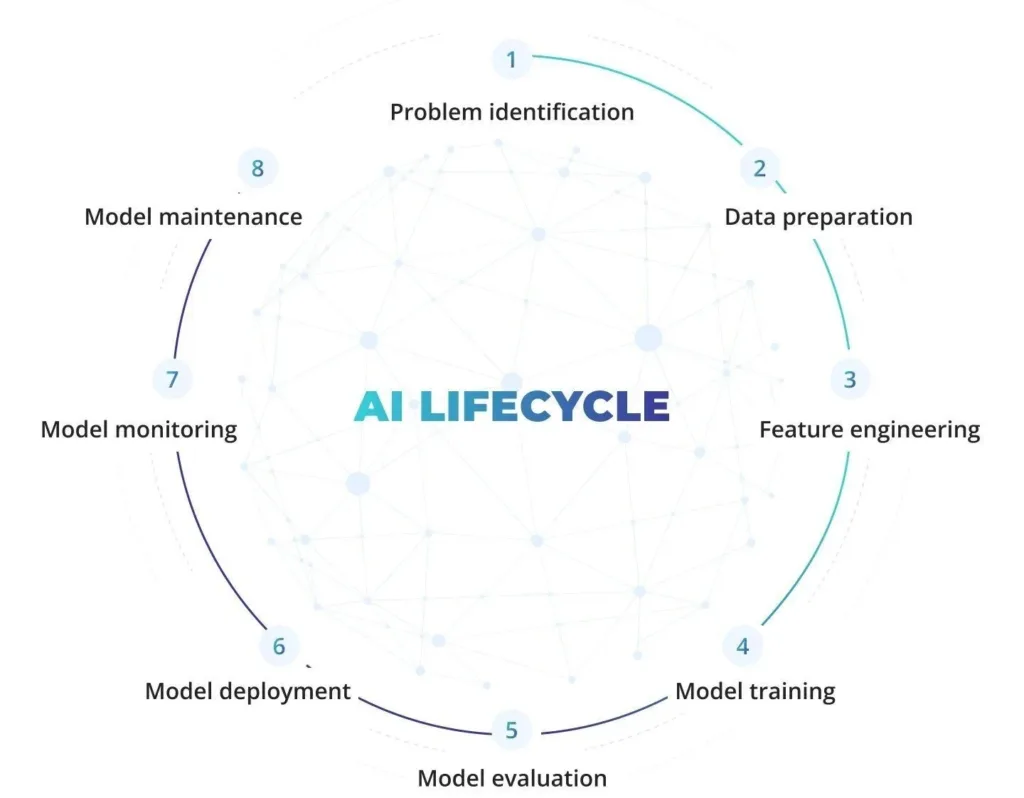
The future of product management lies in AI-powered product lifecycle automation.
Organizations adopting AI Product Lifecycle Automation can significantly reduce manual effort while improving collaboration between product, design, and engineering teams.
In this model, AI systems assist across the entire product lifecycle:
- analyzing meeting transcripts
- generating product documentation
- assisting in UI design
- generating engineering tasks
- supporting automated testing
This dramatically reduces the time required to move from idea to implementation.
For organisations building complex digital products, these AI workflows can significantly accelerate development timelines.
Companies such as 47Billion are exploring platforms that combine AI-driven documentation, product design assistance, and engineering automation to streamline digital product delivery.
The Rise of the AI-Native Product Manager
The role of product managers is undergoing a major transformation.
Future PMs will not only manage roadmaps and stakeholders.
They will also manage AI systems and workflows.
Key AI skills for product managers will include:
- Prompt engineering
- Context management
- AI requirement generation
- AI-assisted design validation
- AI output verification
- AI product lifecycle automation
However, the most important skill will remain human judgment.
AI can accelerate thinking, but it cannot replace understanding.
The best product managers will not be those who simply use AI tools.
They will be the ones who know when the AI is wrong and how to fix it.
How AI Is Transforming Modern Product Workflows?
Forward-thinking companies are already building platforms where:
• transcripts become product requirements
• requirements become user stories
• User stories become engineering tasks almost automatically.
This shift is no longer experimental. It’s already being implemented by teams looking to reduce manual effort and accelerate product delivery.
Bringing AI into Your Product Management Workflow
AI is no longer just a productivity tool ,it has become a foundational capability for AI Product Management, helping organizations accelerate product engineering while maintaining business alignment.
At 47Billion, we help organizations transform product development through AI-powered product engineering. From converting stakeholder conversations into structured requirements and user stories to accelerating UI design, engineering workflows, and intelligent automation, we build AI-driven solutions that help product teams move from ideas to production faster—while keeping human expertise at the center of every decision.
Whether you’re looking to embed AI into your product management process, modernize your product engineering workflow, or build AI-native digital products, our experts can help you design a roadmap tailored to your business goals.
Looking to evaluate how AI can transform your product development process?
Talk to Our AI Experts to explore the right strategy for your organization.